
Toxic flowers for Fur Babies (Pets)
Your Flowers Are Probably Toxic to Your Pets
(And Here Is What That Actually Means)
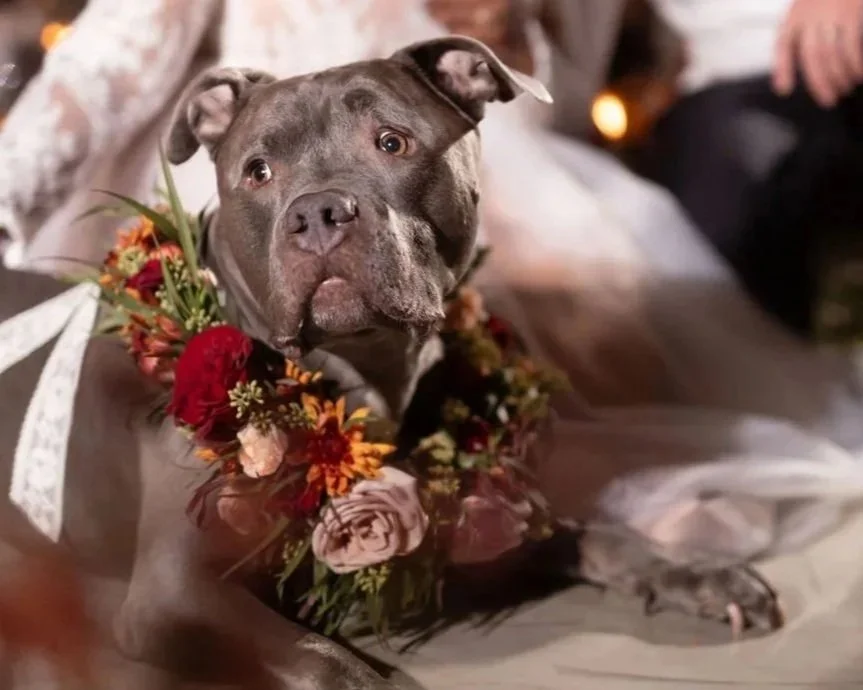
The difference between "toxic" and "deadly" is not the same thing. Here is the honest breakdown every pet owner with a flower obsession needs to read.
Let's Just Lay It Out-
Almost every flower you have ever put in a vase is technically toxic to your pet.
There. Said it. And yes, before you spiral and throw your entire bouquet in the trash, let's talk about what "toxic" actually means because that word gets thrown around without nearly enough context and it is freaking people out for the wrong reasons. And in some cases, not freaking them out enough for the right ones.
There is a massive difference between a flower that gives your cat a stomach ache and a flower that shuts down their kidneys in 24 hours. Both get called "toxic." Only one should genuinely keep you up at night.
Let's break it down.
The Truth: Most Flowers Are Technically Toxic
Pretty much everything in the floral world contains compounds that are mildly irritating or harmful to pets if ingested. We are talking about the most common, everyday flowers that show up in grocery stores, wedding bouquets, and garden beds across Canada.
Things like:
Roses (the petals can cause mild stomach upset)
Chrysanthemums
Baby's breath
Daisies
Tulips
Hyacinths
Daffodils
Lavender
Hydrangeas
Carnations
If your dog chews on a carnation or your cat bats a daisy off the counter and takes a nibble, you are probably looking at some drooling, maybe vomiting, maybe diarrhea, and a miserable pet for a day. Unpleasant. Worth watching. Almost certainly not fatal.
That is what "toxic" looks like most of the time. Upset tummy, temporary drama, a quick vet call to make sure everything is fine.
The Ones That Are Actually Irritating: Upset Tummy Territory
These flowers are genuinely irritating to pets and worth keeping out of reach, especially if your animal is a known chewer. But a small amount is unlikely to be life-threatening for a healthy adult pet.
Tulips and Hyacinths The bulbs are way more toxic than the flowers, but the whole plant contains compounds that cause drooling, vomiting, and diarrhea. If your dog digs up and eats a tulip bulb that is a vet visit. A petal on the floor is probably fine to just monitor.
Daffodils Same deal. The bulb is the danger zone. The whole plant contains lycorine which causes vomiting and diarrhea and the sap can irritate skin. Keep them out of reach, especially if you have a digger.
Hydrangeas Contain compounds that convert to cyanide in the body. Sounds terrifying but the concentration is low enough that your pet would have to eat a significant amount to be in real danger. Still not a flower you want sitting on the floor where a curious pet can snack on it freely.
Chrysanthemums Contain pyrethrins, the same compounds used in some flea treatments. In small doses they cause drooling, vomiting, and incoordination. Worth keeping away from pets but not worth a full panic if one gets nibbled.
Baby's Breath Mildly toxic, causes vomiting and lethargy. It shows up in basically every bouquet ever made. Keep it on a high shelf and you are probably fine.
Lavender Contains compounds that are toxic to dogs and cats in concentrated amounts. A sniff is completely fine. Eating fresh lavender could cause nausea and vomiting. Ingesting lavender essential oil is a whole different level of serious though.
The Ones That Can Actually Kill Your Pet
Okay this is the section that matters. These are not "might cause an upset stomach" flowers. These are "get in the car and go to the emergency vet right now, do not Google it first" flowers. Some of these cause organ failure and death within hours to days of ingestion.
Keep these out of your home entirely if you have pets. No negotiating on this one.
🚨 Lilies — The Most Dangerous Flower for Cats
If you have cats, read this part twice and then send it to everyone you know who also has cats.
True lilies are extremely fatal to cats. We are talking about:
Easter lilies
Tiger lilies
Asiatic lilies
Daylilies
Stargazer lilies
Japanese show lilies
Every single part of these plants is toxic to cats. The flower, the leaves, the stem, the pollen, and even the water in the vase. A cat who grooms pollen off their fur after brushing past a lily arrangement can develop acute kidney failure. Eating even a small number of petals can be fatal within 24 to 72 hours without immediate treatment.
This is not a monitor at home situation. If your cat has had any contact with a true lily, you call a vet or animal poison control immediately. Even if they seem totally fine. Especially if they seem totally fine.
Interesting side note: lilies are far less dangerous to dogs. Dogs can get GI upset but do not have the same kidney failure response cats do.
If you have cats: no lilies in the house. Ever. Not negotiable.
🚨 Oleander
One of the most toxic plants in existence for both cats and dogs. Affects the heart and can cause fatal cardiac abnormalities. Every part of the plant is dangerous. If your pet gets into oleander you go to the emergency vet, not the internet.
🚨 Foxglove
Foxglove is the plant that the heart medication digoxin is derived from. That tells you everything you need to know. It contains cardiac glycosides that cause severe heart rhythm issues, vomiting, collapse, and death. Do not bring foxglove into a home with pets, full stop.
🚨 Autumn Crocus
Not to be confused with the spring crocus which is mildly toxic, the autumn crocus is severely toxic and can cause multi-organ failure, bone marrow suppression, and death. The sneaky part is that symptoms can be delayed, which makes it especially dangerous because you might think your pet is fine when they are not.
🚨 Cyclamen
The roots are the most dangerous part but the whole plant contains compounds that can cause severe vomiting, abnormal heart rate, seizures, and death.
🚨 Azalea and Rhododendron
These affect the sodium channels in the body and can cause drooling, vomiting, diarrhea, low blood pressure, cardiac issues, and in severe cases, coma and death.
🚨 Sago Palm
Technically not a flower but it shows up in arrangements and tropical displays all the time. Extremely toxic to both dogs and cats. Causes severe liver failure and even a few seeds can be fatal.
The Quick Reference Guide
| Flower | What to Expect | Who It Affects |
|---|---|---|
| Roses | Mild GI upset | Dogs & cats |
| Carnations | Mild GI upset | Dogs & cats |
| Baby's Breath | Vomiting, lethargy | Dogs & cats |
| Chrysanthemums | Drooling, vomiting | Dogs & cats |
| Lavender | Nausea, vomiting | Dogs & cats |
| Daisies | Mild GI upset | Dogs & cats |
| Hydrangeas | GI upset | Dogs & cats |
| Tulip Petals | Drooling, GI upset | Dogs & cats |
Monitor your pet, offer water, and call your vet if symptoms persist or worsen.
| Flower | What to Expect | Who It Affects |
|---|---|---|
| Daffodil Bulbs | Vomiting, diarrhea, sap irritation | Dogs & cats |
| Tulip Bulbs | Allergenic compounds, vomiting | Dogs & cats |
| Hyacinth Bulbs | GI distress, possible respiratory issues | Dogs & cats |
| Autumn Crocus | Severe GI, bone marrow suppression | Dogs & cats |
Don't wait for symptoms to get worse. A vet call today is always better than an emergency visit tonight.
| Flower | What to Expect | Who It Affects |
|---|---|---|
| All True Lilies | Acute kidney failure⚠ Can be fatal | Cats especially |
| Oleander | Cardiac failure⚠ Can be fatal | Dogs & cats |
| Foxglove | Heart rhythm failure⚠ Can be fatal | Dogs & cats |
| Cyclamen | Seizures, cardiac arrest⚠ Can be fatal | Dogs & cats |
| Azalea / Rhododendron | Cardiac issues, coma⚠ Can be fatal | Dogs & cats |
| Sago Palm | Liver failure⚠ Can be fatal | Dogs & cats |
Do not wait for symptoms. Call your vet or Animal Poison Control (888-426-4435) immediately.
What To Do If Your Pet Eats a Flower
First, do not panic. Then do something about it.
Identify the plant. Take a photo or save the stem before you do anything else. This matters more than you think when you are on the phone with a vet trying to describe "a pink flower thing."
Call for help. In Canada you can contact:
Your regular vet or emergency animal hospital
The ASPCA Animal Poison Control Center: 888-426-4435 (there is a consultation fee, worth it)
The Pet Poison Helpline: 855-764-7661
Do not wait for symptoms. With lilies especially, organ damage is already happening before your cat looks sick. Fast action is the difference between a scary story and a tragic one.
Do not induce vomiting unless a vet specifically tells you to. Depending on what was ingested it can make things significantly worse.
The Bottom Line
You do not have to choose between having flowers and having pets. You just need to know the difference between the flowers that will upset their stomach and the ones that can actually kill them.
Most flowers fall into the upset tummy category. A small number are genuinely deadly. Knowing which is which is not hard and it might save your pet's life someday.
Keep the dangerous ones out of the house completely. Keep the mildly irritating ones up high and out of reach. And when in doubt, call your vet. That answer never goes out of style.
