
 Image 1 of 2
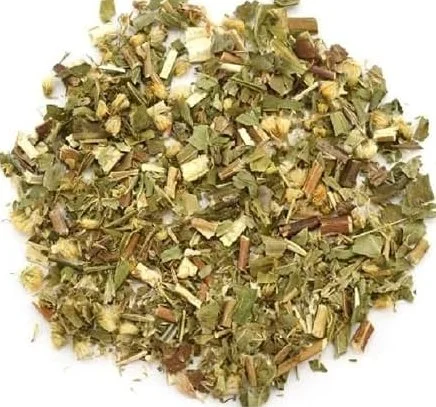 Image 2 of 2
Goldenrod, Foraged in Saskatchewan
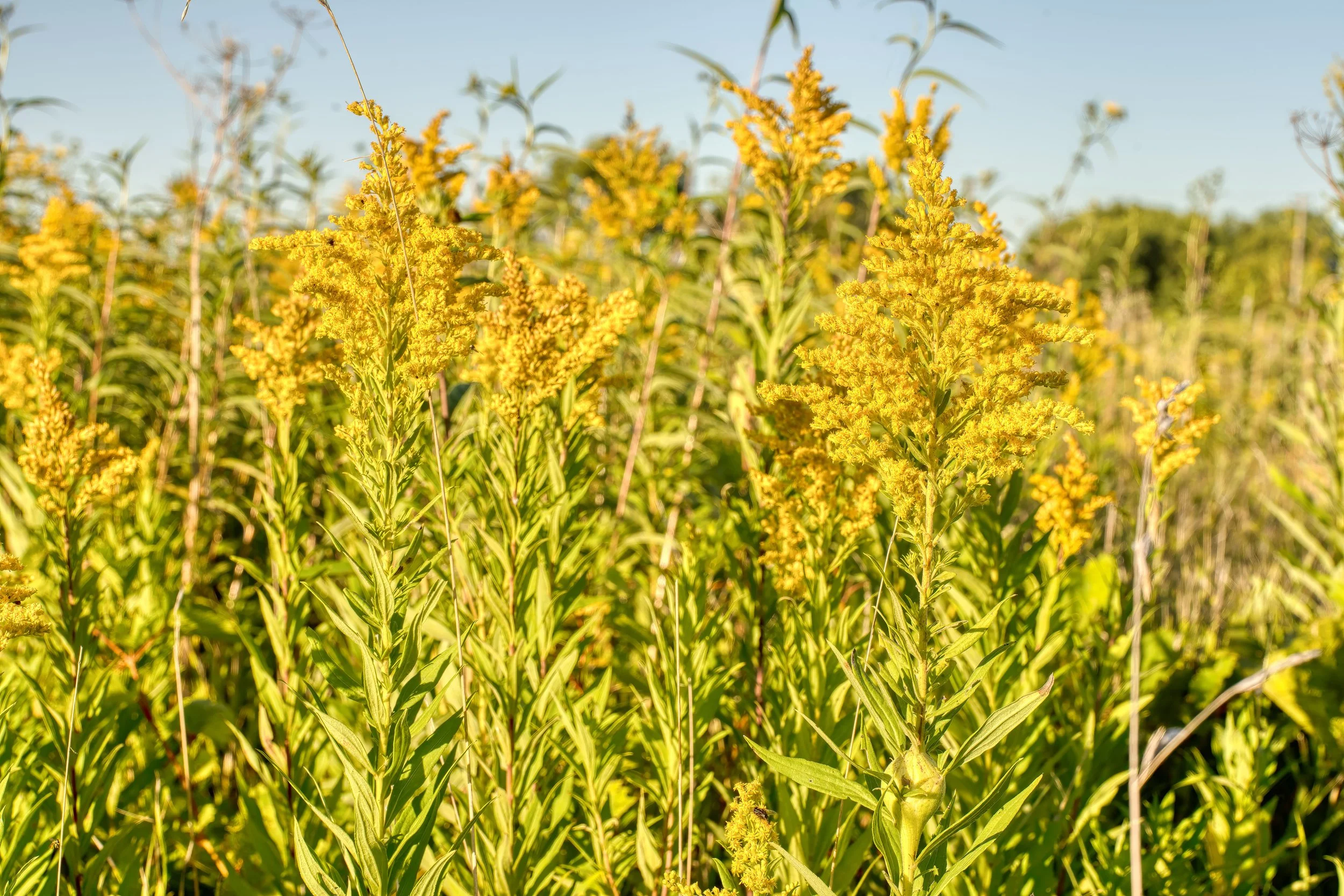
Goldenrod lights up Saskatchewan ditches and meadows every late summer, and it often gets unfairly blamed for hay fever. The real culprit is usually ragweed, which blooms at the same time. Goldenrod's pollen is heavy and sticky, carried by bees rather than the wind.
We hand-harvest the flowering tops from clean, unsprayed land here in Saskatchewan, then dry them slowly to hold on to that bright golden colour and soft, honeyed scent.
Goldenrod has a long history in traditional herbalism, especially as a herb for the kidneys and urinary tract. It's been used for generations to gently encourage the body to flush out water, and to comfort the throat and chest during cold and flu season. Herbalists have also infused it in oil for rubbing into tired, achy muscles and joints.
How to enjoy it
Steep 1 to 2 teaspoons of dried goldenrod in a cup of just-boiled water for 10 to 15 minutes. It makes a mild, pleasant tea that pairs well with mint or a little honey. For an infused oil, cover dried goldenrod with a carrier oil like sunflower or olive, let it sit for 4 to 6 weeks, then strain.
Good to know
Avoid goldenrod if you're allergic to plants in the daisy family, are pregnant or nursing, have kidney disease, or take diuretics or blood pressure medication. When in doubt, check with your healthcare provider.
Goldenrod, Foraged in Saskatchewan
Goldenrod lights up Saskatchewan ditches and meadows every late summer, and it often gets unfairly blamed for hay fever. The real culprit is usually ragweed, which blooms at the same time. Goldenrod's pollen is heavy and sticky, carried by bees rather than the wind.
We hand-harvest the flowering tops from clean, unsprayed land here in Saskatchewan, then dry them slowly to hold on to that bright golden colour and soft, honeyed scent.
Goldenrod has a long history in traditional herbalism, especially as a herb for the kidneys and urinary tract. It's been used for generations to gently encourage the body to flush out water, and to comfort the throat and chest during cold and flu season. Herbalists have also infused it in oil for rubbing into tired, achy muscles and joints.
How to enjoy it
Steep 1 to 2 teaspoons of dried goldenrod in a cup of just-boiled water for 10 to 15 minutes. It makes a mild, pleasant tea that pairs well with mint or a little honey. For an infused oil, cover dried goldenrod with a carrier oil like sunflower or olive, let it sit for 4 to 6 weeks, then strain.
Good to know
Avoid goldenrod if you're allergic to plants in the daisy family, are pregnant or nursing, have kidney disease, or take diuretics or blood pressure medication. When in doubt, check with your healthcare provider.